
How To Overcome Writer's Block When Deadlines Are Looming
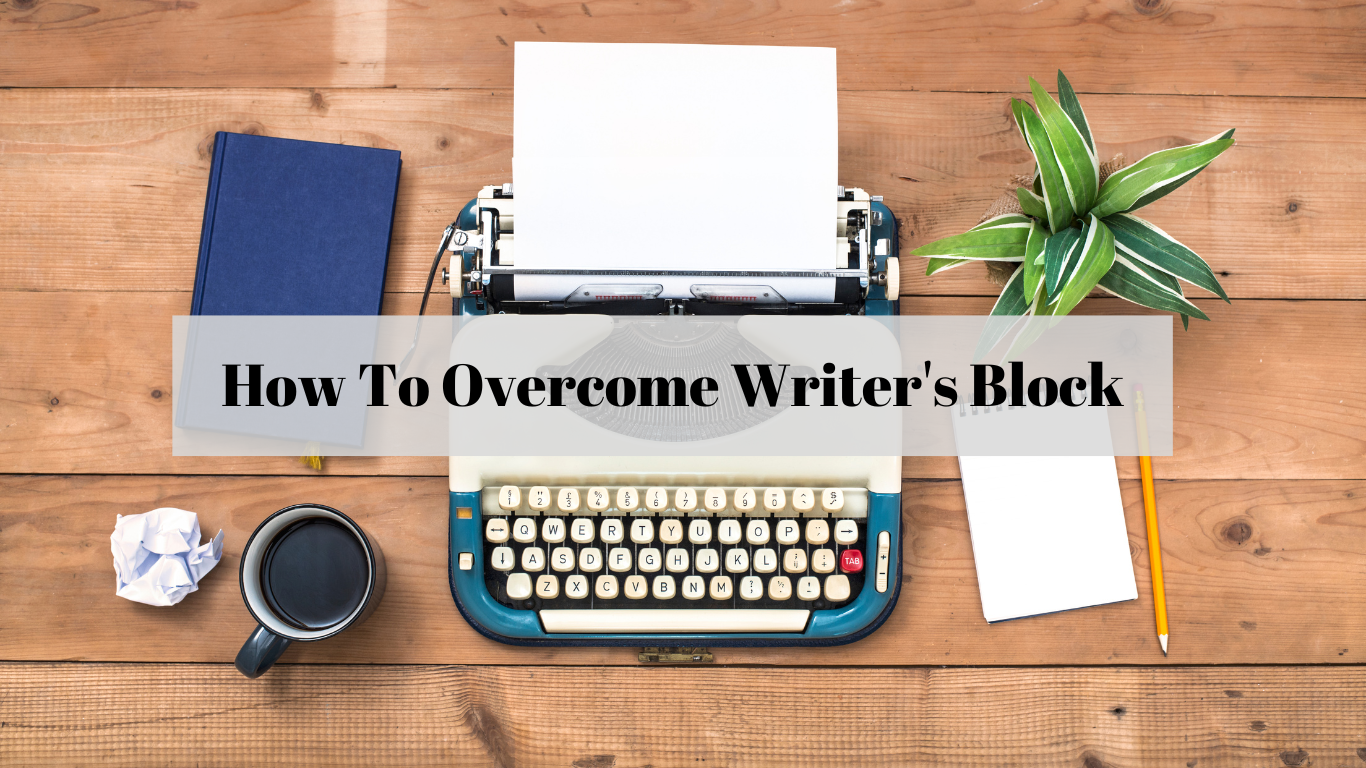
Published and aspiring authors can feel overwhelmed when writer's block strikes during impending deadlines.
Learn more about unlocking your creative voice with these writer’s block tips.
Write bad on purpose
You won’t get anything written down if you don’t start somewhere. This exercise aims to break through whatever is blocking you and get you writing.
Snag a piece of paper or keyboard and start writing badly on purpose.
Time yourself if you need to stick to it. Start writing 15 minutes every day, and don’t stop even if what you’re writing are aimless thoughts.
Each day, you can add more time.
You might discover an intriguing concept or a personality flaw of your main character that can help you start your manuscript.
Identify what works for you and customize.
Only some writers will gain inspiration to write from what works for other writers. Discover what works for you, and customize it to your preferences or needs.
Some writers might take a walk or use a writing spot.
But maybe what works for you is combining this relaxation method with a coffee break. Or another personal luxury you enjoy.
Experimenting and not giving up can be ideal when other practices fail.
Be consistent but also flexible.
Developing a routine for your writing can make the writing process more instinctive.
Make it a habit to write during certain times of the day or week.
But that doesn’t mean you can’t be a little flexible. If you only have 15 minutes to write, take advantage of it.
Outline writer’s block trick
Creating a vague outline stimulates a writer’s brainstorming skills.
The purpose of this method isn’t to encourage you to write a whole outline of your manuscript.
It’s a relaxed exercise to help pinpoint what aspect(s) of a character or big-picture element resonates with you.
For example, delving into the characters’ possible quirks and flaws can help you brainstorm potential conflicts.
Or focusing on potential settings can help you create more complex scene dynamics. This can enhance the story engine (what keeps your readers turning the page).
Switch your writing method and rewrite.
Switching to another writing method and backtracking can inspire an epiphany of where the story is heading.
When you shift from typing to journal writing, you’ll backtrack by rewriting a few paragraphs (or more) of where you left off.
Revisiting the last words of your scene or chapter can spark ideas as you resume writing.
Read well-written books and gain inspiration.
Sometimes lack of a good idea could be the culprit to writer’s block. If this is the case for you, start reading well-written books.
You might get recommendations from a developmental editor friend or critique partner on which books to read.
They might suggest specific Nobel Prize or current books in your writing genre.
This can provide you with at least three benefits:
Find inspiration on what you can do differently, prompting you to write.
You can improve your writing.
Learn more about what’s currently selling and genre conventions.
Talk to a critique partner about your ideas.
Voicing your vague idea(s) with someone can unleash your creative process and allow more ideas to filter through.
If you have a list of plot or genre ideas you want to explore, talk about it with a critique partner.
This collaboration enables you to help each other. Your critique partner's feedback may inspire you to pursue writing a fantasy novel with a strong romantic thread.
Or you can do quick writing sprints together while your ideas are fresh.
Conclusion: Keep writing
Kick excuses not to write to the curb. Even if one trick to get out of the writer’s block funk speaks to you, pursue it.
Determine which writer's block tricks suit your writing process and implement them into your daily or weekly schedule.
Being familiar with these tricks can help you out of an imminent deadline, but it can also help you avoid writer’s block.