
What Is Line Editing with Heather Romanowski

In my second editor interview, you can learn more about line editing and what other services Heather Romanowski has to offer through her business at Book Realm Revisions.
After implementing developmental editing feedback, line editing can be the next editing step for some manuscripts.
However, not all writers have the budget or need a line edit.
If you’re unsure if your manuscript needs this editorial service, my interview with Heather might shed some light on this.
Read on to learn more how she approaches line editing, type of comments you can expect from her, when you don’t need a line editor, and so much more in this lovely interview with her.
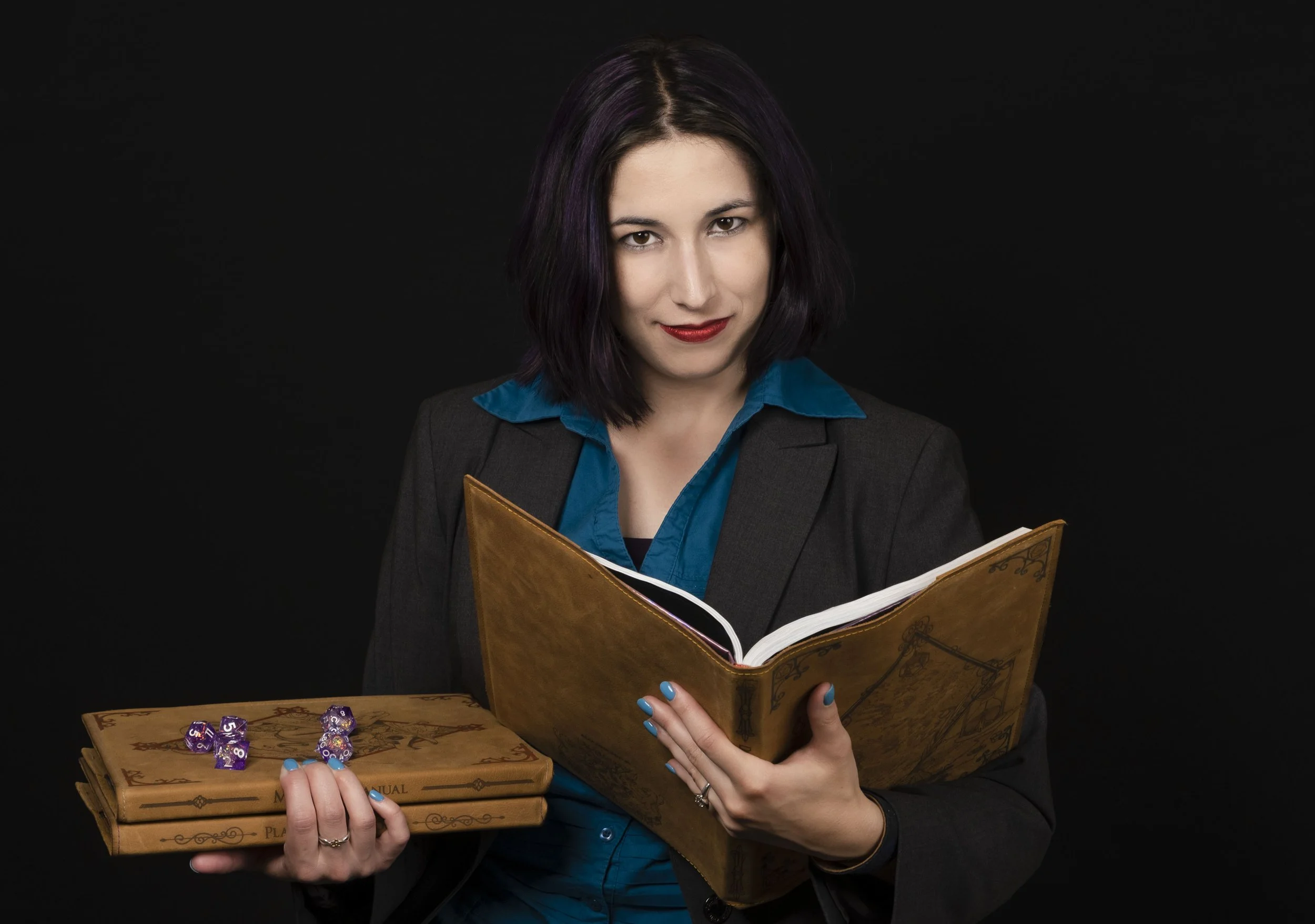
Heather Romanowski edited a 2022 Hugo nominated short story Tangles by Seanan McGuire and 2025 International Impact Book Award winner Humble Dreams: Pragmatic Leadership Lessons from African Women by Meriem Boudjadja.
Q: What type of editing do you enjoy the most?
I offer the services I do because they all bring me different kinds of joy.
I love developmental editing because getting the story structure in line is like playing with Legos.
Line editing is getting the character’s and author’s voice just right and is like tending a blooming garden.
Copyediting is nailing all the facts, stamping out typos, and making sure all the details or consistent. It’s the chef’s kiss plating and garnish of a perfect meal.
Q: How do you define line editing to potential clients?
It is an intensive process where I listen and read the entire book. Comments and inline edits will be focused on getting the details, flow, and making sure each sentence carries the story forward.
Bonus this is where I catch the most annoying typos, things like desert/dessert or pubic/public.
“Line editing is more about getting the book’s voice down.”
Q: Can you provide a quick example of what a line edit might look like?
Line edits are typically incredibly detailed and there can be intense pages dripping with small tweaks and suggestions as well as pages that just have a few small edits.
Queries can range from, “This doesn’t quite sound like the FL here, since she has a background in XX” to “Do you mean XX? This phrase can come across as aggressive and the tone of this scene is more joyful.”
There will also be comments like, “OMG I DID NOT SEE THIS COMING” and “This phrasing is just so perfectly visceral that goosebumps appeared on my arms.”
Q: How do you know when a manuscript needs a line editor and when they can skip to copy editing?
When the prose and flow is already excellent in the mucky middle of the book. Veteran writers have a pretty good idea of what they need and I will listen.
Also, if I know they got a developmental edit already, depending on that execution there is a chance the author could go to a heavier copyedit.
Q: How do you approach line editing? What deliverables are included with a line edit?
A line edit is something I need to set aside chunks of time for.
I setup my snacks, drinks and prepare for a deep dive day.
As I listen, I try to get into each of the character’s heads and get the tone of each scene down.
I pause my read aloud to make notes, suggest edits, and smooth out each passage.
I then re-listen to the passage to make sure the inline edits didn’t upset the balance before I move on to the next paragraph.
A line edit comes with a marked-up draft, editorial letter, style guide, and a clean manuscript (one with all the changes accepted).
Sometimes my clients don’t want a clean version of the manuscript so I skip that step for them. There are also two meetings included in the service with the option to book more for a reduced cost.
Q: Do you provide line/copy edit bundles? If so, how do the deliverables and scope of work differ from each service?
I call that package The Gardener, my clients get one line edit pass and one copyedit pass with that bundle. That means each pass has a different focus because I have one shot at it.
The line edit focuses on a sentence level and the copyedit is the cleanup phase to get all the straggling details or edits in line. It also means that during the copyedit I am making sure that the line edit revisions were successful and integrated well.
Q: Line editing is one of your most popular services, so why do you think this is?
My clients appreciate the detailed-oriented edit they get as a result. During an auditory line edit pass, you notice the manuscript or game differently and the editing process shows that.
“I pick up on the nuances of the story and the collaboration brings out the best in a book or game.”
Q: What are some self-editing tips you have for writers who are about to send their manuscript over to a line editor after the developmental editing process?
First, after your second round of revisions take a break. Put the manuscript away and do things that bring you joy. Then take one last pass at just reading it and take notes on paper or a separate document.
Color-code highlight and make those revisions next before looking for a line editor.
Q: Line editing is right after developmental editing, so when should writers feel like they’re ready for a line edit after implementing the developmental editing feedback?
Do you recommend the writer get beta reading or quick feedback from their developmental editor (example: manuscript review) before you start the line edit? Are there signs you pick up in a sample edit (if you provide one) that they’re still in the developmental editing stage?
Line editing is making sure each sentence and detail carries its weight through the story.
So, the best time to look for a line editor is when all the story structure elements are solid. You have clear characters, settings, and events. You know what your story arcs are and they are pretty close to being finalized.
A beta read or manuscript review between developmental editing and line editing is a good practice. It will help you ensure that the feedback from the second pass has been implemented effectively.
I do provide sample edits on all my services and when I do bundled services I will showcase both of them in the sample.
Signs that the manuscript isn’t quite ready for a line edit: head hopping, unclear settings, or inconsistent characters or details.
I can help with issues in my pass, it just means I am recommending the The Storyteller package (dev/line) instead of a straight line edit.
Q: You provide book coaching for your clients after you send feedback to them. What type of book coaching services do you offer during this stage? Is it all for revising their manuscript? Or do you help them in other ways?
I offer post-edit coaching and project brainstorming sessions. I love working with clients who have series and I offer brainstorming sessions in-between books to help hash out plot issues or work through writer’s block.
As their editor, I am in the unique position of knowing their lore and sometimes series narrative arcs. I am one of the few who my clients can talk to about their stories and give advice while they are in the drafting phase.
For my game clients when I attend conventions, I ask if there are any freelancers that they are looking for (artists, cartographers, publishers, etc.) and will make connections on their behalf.
“Worldbuilding for both games and books is like creating a universe and then trying to explain it in sixty seconds or less at the important parts.”
Q: You also edit games, so could you tell us a little more about it? What made you get into editing games? How does it differ or feel similar to editing fiction?
I grew up in a gaming household: Starcraft, Diablo 2, Monopoly, Uno, Game of Life, Dread Pirates, Scrabble, Pokemon, Yu-Gi-Oh, and much more.
When I entered college, I joined my future husband’s Anima and Pathfinder games (tabletop roleplaying games) and met him while I was playing Magic: The Gathering with my college friends.
One thing led to another as I attended GenCon and I got my first gaming gigs with Wizards of the Coast and Paizo. I worked on Pathfinder and Magic: The Gathering.
Now gaming makes up half of my clientele and I love the variety of clients that I work with.
Stories and games are both complex in their own ways.
Games you have to ensure that the mechanics are playtested thoroughly and that the instructions are not overwhelming to a new player. The lore of games is showcased in the art, the flavor text on cards, and in games like Frosthaven and Gloomhaven unfolded throughout the course of the campaign.
Books have to balance the worldbuilding, too much up front and you drown the reader in potentially irrelevant details. Be too sparse and your reader could DNF (do not finish) the book because it didn’t make sense. The author has to know a lot of the behind-the-scenes pieces that make the world tick but filter only the juicy necessary bits to the reader.
Bonus: What are two fun facts about you?
First, I spent four years as a volunteer for a bat conservation during college. I even got my pre-exposure rabies shots to be a exhibit docent and help the staff with medical days.
I have also helped rescue two bats since then my time there. I sit outside with my toddler and show him the bats at night now.
Second, I am a total Halloween/Samhain nerd.
I love to dress up and I am a hobby cosplayer too. I volunteered at a haunted forest for several years and I am the first person to say yes to any haunted attractions.
I love Halloween so much that I got married on Oct. 31st. We did not get married in costume.
Stay tuned…Heather Romanowski interviewed me for her blog.
Coming soon!
About Heather Romanowski
Heather Romanowski is a Michigan-based freelance editor specializing in TTRPGs, sci-fi, fantasy, supernatural horror, worldbuilding, recipes, and romance. She edited a 2022 Hugo nominated short story Tangles by Seanan McGuire and 2025 International Impact Book Award winner Humble Dreams: Pragmatic Leadership Lessons from African Women by Meriem Boudjadja.
Do you need assistance with worldbuilding, game design, or your story? She’d love to chat! When Heather is not working, she is chasing her small gremlin child, playing games with her family and friends, DMing a TTRPG, networking at gaming conventions, hobby cooking & baking, running the Editors Tea Club, or enjoying nature walks and museums.